
What affects the cost of property development? Key factors for Birchington homeowners
By Thanet Roofing and Property Development
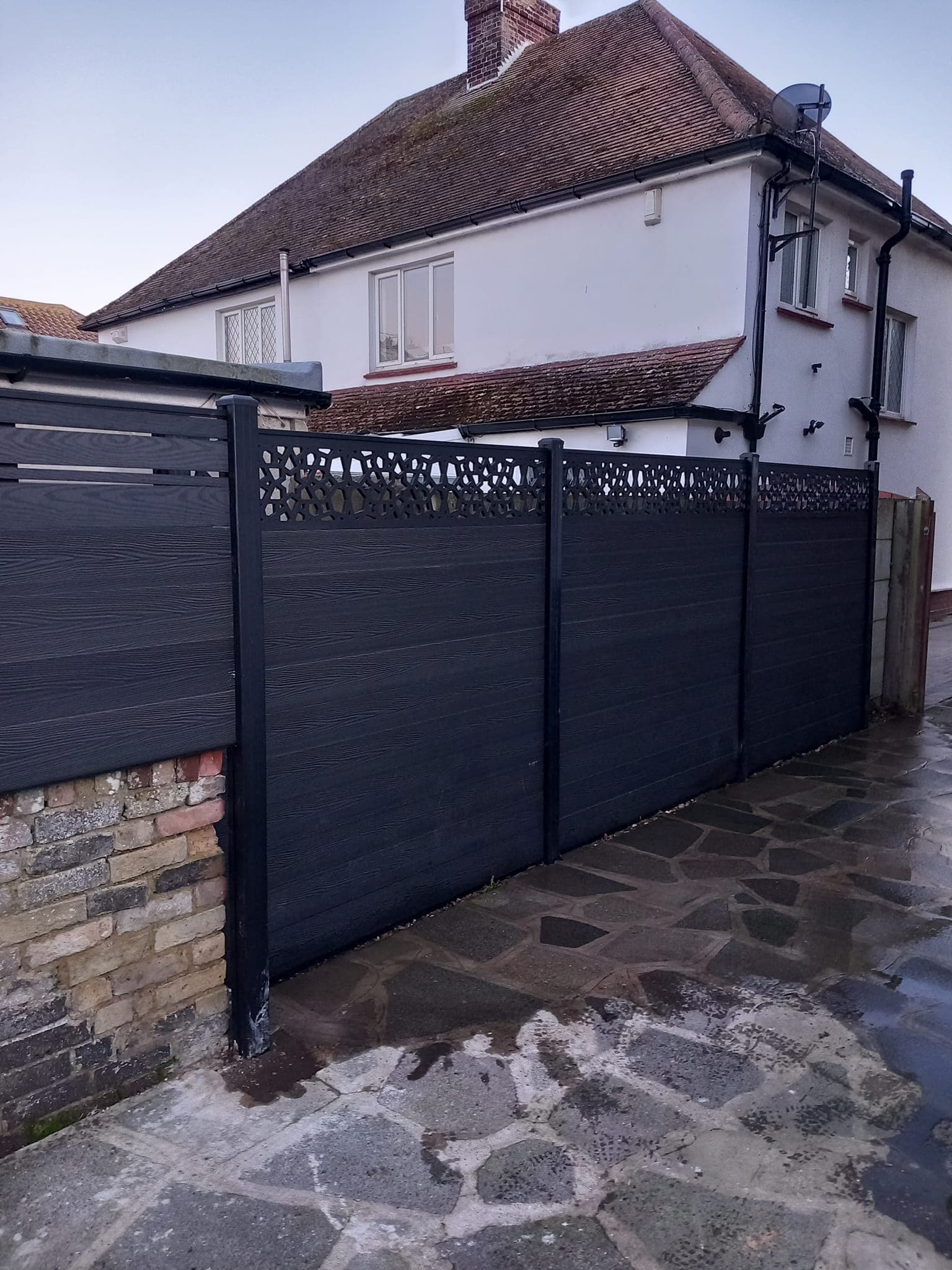
What affects the cost of property development? Key factors for Birchington homeowners
Property development cost in Birchington depends on more than just floor area. Whether you’re converting an attic, adding a rear extension or carrying out a full refurbishment, local conditions, building fabric and contract choices all shape the final bill. This guide sets out the main cost drivers and practical steps homeowners can take to keep projects on track.
Start with a proper survey
A detailed survey is the single most important step. A roof and structural survey will reveal hidden defects — timber rot, corroded flashings, failed leadwork, or historic settlement — that change scope and cost. For older Thanet properties, look for:
- Compromised roof timbers from wind-driven rain and salt exposure
- Deteriorating chimneys and lead flashings
- Hidden damp in valley gutters and behind parapets
Action: commission a roof and building survey before you sign any contract. Contractors should provide written findings and scope recommendations.
Planning, regulations and site constraints
Planning permission and Building Regulations compliance add time and cost. If your house is in a conservation area, has a listed element, or lies close to party boundaries, expect additional design work, specialist details and neighbour notifications.
Access and site logistics on narrow Birchington streets or terraced plots can increase labour hours and require temporary scaffolding, cranage or skips. Restricted access often slows work and raises contractor costs.
Action: speak to your planning officer early and include scaffold and access allowances in project planning.
Groundworks and foundations
Subsoil conditions and drainage on coastal Thanet ground can affect foundation design. Basement conversions, large extensions or development work on sloping plots need structural and ground investigations. Unexpected groundworks are a common cause of budget overruns.
Action: commission a ground investigation where scope suggests deep excavations or drainage changes.
Structural work and hidden repairs
The cost uplift from structural repairs is significant. Replacing roof trusses, underpinning poor foundations, or rebuilding defective chimneys requires structural engineering input and scaffolded access.
Action: allow contingency in your schedule and choose a contractor with experience in structural repairs — particularly useful on older Birchington stock.
Materials, finishes and product choices
Tile or slate selection, rainwater goods, rooflights, insulation type and internal finishes all move the needle. Premium natural slate or heritage clay tiles cost more than modern interlocking tiles; aluminium gutters vs uPVC is another specification choice that affects longevity and aesthetic.
Action: define a clear specification early. Where appropriate, reuse sound existing materials (salvaged tiles, timber) to control cost without compromising appearance.
Energy efficiency and retrofit measures
Installing modern insulation, ventilation, or high-performance glazing improves running costs but increases initial spend. In some cases, improving thermal performance requires alterations to existing timber structures or replacement of roof coverings.
Action: include energy measures in the initial scope — often easier and cheaper to install during a re-roof or major refit than later as a retrofit.
Contractor selection and contract type
Labour quality, subcontractor relationships and contract structure influence cost certainty. A fixed-price contract based on a clear specification gives certainty but requires robust tender documents. Daywork or provisional-sum-based contracts are flexible but carry cost risk.
Action: get detailed written quotes from reputable local contractors, check accreditations and insurance, and prefer contractors who provide fixed-price quotes with defined exclusions.
Programme, weather and seasonality
Coastal weather in Thanet affects external works. Bad weather delays roofing, brickwork and paving. Tight programmes increase labour overlap and can raise costs through night or weekend working.
Action: plan major external works for drier months where possible, and build reasonable time buffers into your programme.
Neighbour and party-wall issues
Party wall notices, neighbour disputes and restricted working hours can delay projects and add remedial work. For terraced and semi-detached homes common in Birchington, party wall awards and boundary scaffolding are regular considerations.
Action: instruct party wall agreements early and brief neighbours on programme and contact points.
How to control costs — practical checklist
- Start with a comprehensive survey and clear specification
- Use local, experienced contractors who understand Thanet coastal conditions
- Ask for fixed-price quotes and written exclusions
- Build in contingency for hidden works and ground issues
- Consider phased works where practical to spread risk
- Keep design choices simple where budget sensitivity is high
- Insist on warranties, compliance certificates and a clear defects liability period
Why choose a local specialist
Thanet Roofing and Property Development brings 15 years’ experience across domestic and commercial projects in Birchington, Margate and Ramsgate. We hold CSCS and TrustMark accreditation, are fully insured and issue a 10‑year guarantee on completed works. We handle everything from roof surveys and leak detection to full re-roofs, structural repairs and larger property development packages — including party-wall management and Building Regulations liaison.
If you’re planning a development in Birchington and want realistic advice on scope, timescale and risk, request a site survey and written proposal from a local team that knows Thanet building stock and coastal weather. Contact Thanet Roofing and Property Development to arrange a survey and practical quotation tailored to your project needs.
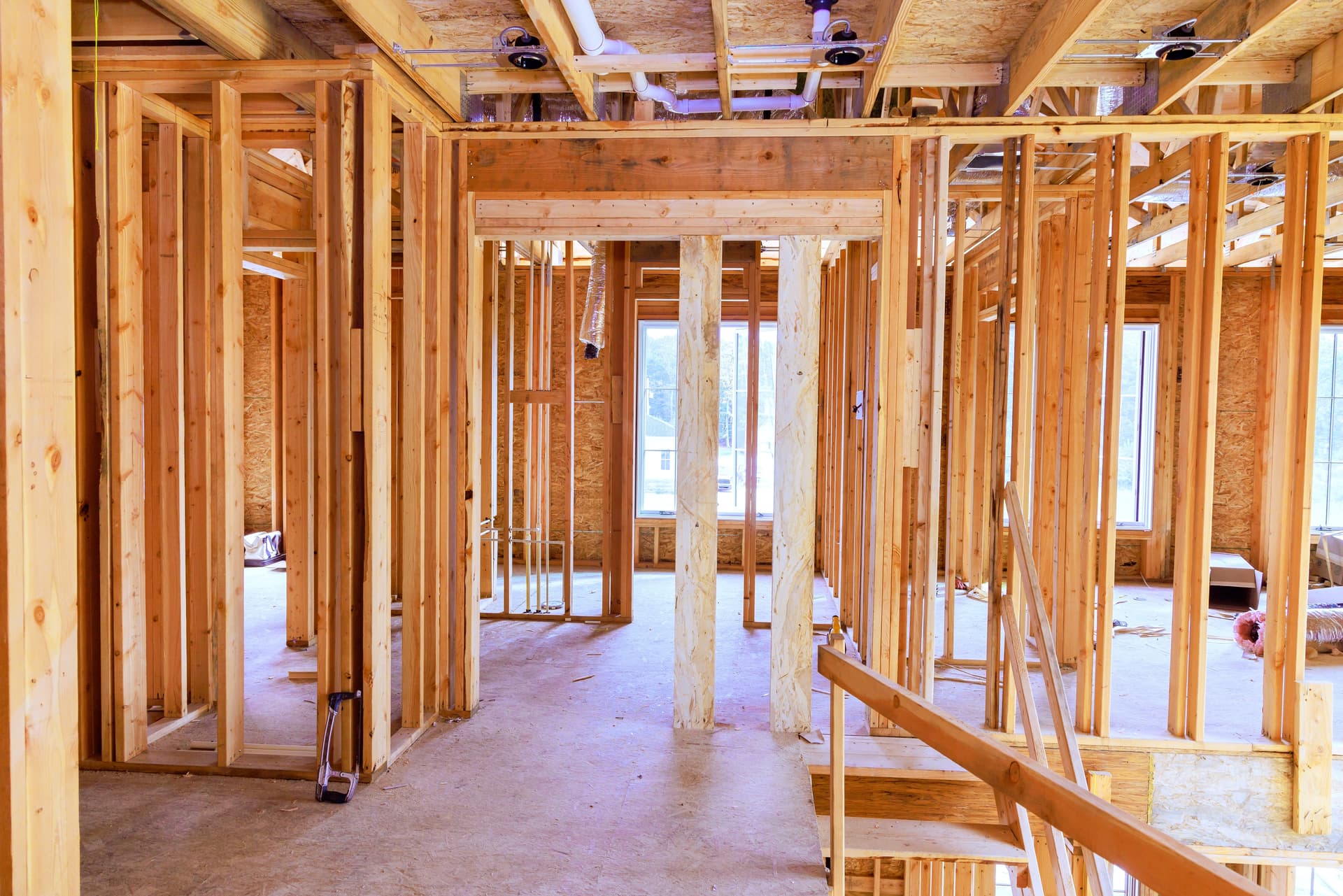

.jpg&w=1920&q=75)